


Party Planner vs. Corporate Event Manager
What People Think We Do vs. What We Actually Do as Corporate Event Managers
by Terra Johnson, SHW Sr. Program & Event Manager
Corporate Event Management is often misunderstood. If you’ve worked in corporate events long enough, you’ve probably heard someone say, “Oh, so you plan parties for a living!” And sure, there are beautiful moments. Thoughtful design. Elevated menus. Well-timed applause. But corporate event management is far more strategic and operational than most people realize.
Behind every seamless general session, leadership summit, product launch, or incentive program is a team balancing budgets, logistics, contracts, production schedules, stakeholder alignment, and live risk management. That is the real work behind corporate event management.
Let’s break it down.
What People Think We Do
- Pick flowers and color palettes
- Choose tablecloths and chair styles
- Taste cake
- Book a DJ
- Decide where décor goes
- Stand in the back with a headset “running the show”
Fun details? Absolutely.
The full job description? Not even close.
 What We Actually Do
 What We Actually Do
We Manage Million-Dollar Budgets
Corporate events often operate with budgets that rival small business operating plans. Every line item must be forecasted, negotiated, tracked, and optimized. From venue sourcing and contract negotiation to audiovisual production, staffing, transportation, catering, and event registration, financial stewardship is central to a successful corporate event.
We Strategically Source Venues
Venue sourcing is not about finding a pretty room. It is about securing the right environment for the goals of the program. Capacity, production requirements, union rules, load-in access, attrition clauses, accessibility, budget, and brand alignment all factor into the decision. Experienced corporate event managers understand how to protect clients through strong contracts and thoughtful negotiation, especially in a competitive market.
We Build & Manage Detailed Workback Schedules
Corporate event management is project leadership at scale. There are hundreds of moving parts. A missed approval or delayed deliverable can impact multiple teams.
Our role is to create project timelines that:
- Align stakeholders
- Identify risks early
- Track progress
- Hold suppliers and teams accountable
- Ensure nothing goes live untested or unfinished
Structure is what makes creativity possible.
We Lead Executive-Level Communication
Much of our day is spent in planning calls, aligning cross-functional teams, facilitating executive decisions, and documenting next steps. Clear communication keeps projects moving forward. It ensures accountability. It prevents surprises. It builds trust. Corporate event management is as much about leadership and alignment as it is about logistics.
We Oversee Full-Scale Production
 We Oversee Full-Scale Production
Behind a polished 30-minute keynote may be 200 hours of planning.
We work with producers and technical teams to manage:
- Run of show development
- Speaker prep
- Rehearsals
- Lighting cues
- Camera shots
- Stage design
- Transitions
Corporate events are live experiences. Once the doors open, everything must work in sync. There is no edit button.
We Solve Problems Before Anyone Knows They Exist
Power drops on the AV wall?
The printer lost the signage?
Catering is short 50 lunches?
These are not rare scenarios. They are realities. Experienced event managers plan for contingencies so the audience never sees the scramble behind the curtain. Calm, controlled problem-solving is one of the most valuable skills in corporate event planning.
We Execute With Precision
At show time, we’re not “wandering around making sure things look cute.”
We are:
- Managing staff and suppliers
- Coordinating VIP movements
- Keeping sessions on schedule
- Executing contingency plans
- Communicating updates to clients
There is no autopilot during live execution. Every moment is actively managed.
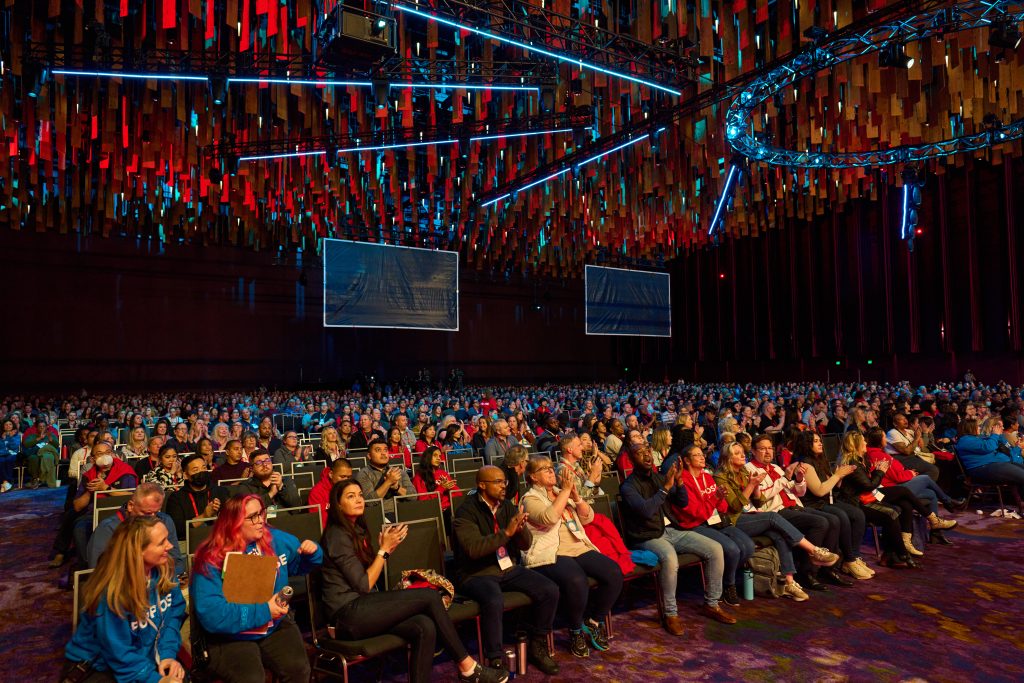
So Yes, It’s More Than Parties
 So Yes, It’s More Than Parties
Corporate event management blends:
- Project oversight and execution
- Strategic leadership
- Financial stewardship
- Executive and stakeholder communication
- Attendee experience design
- Operational planning and logistics
- Technical and live event production
- Risk mitigation and contingency planning
It takes a team of experienced professionals to deliver meaningful, measurable corporate events. So when someone assumes we are “party planners,” I just smile. Because we know the truth. We are strategic partners who transform complex objectives into seamless experiences, delivered with precision, accountability, and impact.
Ready to move beyond party planning and deliver a corporate event with real impact?
Let’s start the conversation.
 With more than 20 years of experience in corporate event management, Terra Johnson is a seasoned leader known for delivering complex, high-impact programs with precision and creativity. She brings deep expertise in strategic planning, budget oversight, executive and speaker management, food and beverage strategy, and end-to-end program logistics. Terra excels at managing multifaceted stakeholder environments while keeping a sharp focus on financial performance and operational excellence.
In addition to her strong operational foundation, she brings a thoughtful creative lens to every program, elevating environments through intentional design, cohesive theming, and memorable entertainment experiences that align seamlessly with client objectives.
Frequently Asked Questions | Corporate Event Management
What is the difference between a party planner and a corporate event manager?
A party planner typically focuses on social events such as birthdays, weddings, or private celebrations, with an emphasis on décor and guest experience.
Corporate event management involves strategic planning, budget oversight, venue sourcing, executive communication, production management, and risk mitigation. Corporate event managers align business objectives with measurable outcomes and oversee complex logistics from concept through execution.
What does Corporate Event Management actually include?
Corporate Event Management typically includes:
- Strategic planning aligned with business goals
- Venue sourcing and contract negotiation
- Budget development and financial tracking
- Production oversight and run-of-show management
- Stakeholder and executive alignment
- Supplier coordination and logistics
- Onsite execution and contingency planning
It is both operational and strategic, requiring leadership, financial acumen, and live-event expertise.
Why is venue sourcing so important in corporate events?
Venue sourcing is one of the most critical components of corporate event planning. The venue impacts:
- Capacity and flow
- Technical production requirements
- Union regulations
- Accessibility compliance
- Catering minimums
- Contract terms and attrition clauses
Experienced corporate event managers negotiate contracts carefully to protect clients from financial and operational risk.
How far in advance should you hire a corporate event manager?
For large-scale conferences, leadership summits, or multi-day programs, it is recommended to engage a corporate event management team 6 to 12 months in advance. Early planning allows for better venue availability, stronger contract terms, and more strategic alignment across stakeholders.
Do corporate event managers only work onsite during the event?
No. Onsite execution is only a small portion of the overall process. The majority of corporate event management happens months before the event, including budgeting, supplier contracting, timeline development, production planning, stakeholder alignment, and risk management.
By the time the doors open, the groundwork has already been carefully built.
What types of corporate events require professional event management?
Professional corporate event management is especially valuable for:
- Leadership summits
- Sales kickoffs
- Product launches
- User conferences
- Incentive programs
- Executive retreats
- Multi-day conferences
Any event that involves executive stakeholders, complex logistics, or significant budget investment benefits from experienced oversight.
How do corporate event managers manage risk during live events?
Risk mitigation begins in the planning phase. Corporate event managers:
- Develop contingency plans
- Build redundancies into production
- Monitor timelines and critical deadlines
- Maintain supplier accountability
- Prepare backup scenarios for travel, technology, and staffing
During live execution, they manage operations in real time to address issues before attendees are impacted.
Is corporate event management worth the investment?
When organizations invest significant budget and executive visibility into an event, professional corporate event management reduces risk, protects financial resources, strengthens stakeholder alignment, and elevates the overall experience.
It ensures the event delivers strategic impact, not just aesthetic appeal.

